
Solar power in the spotlight
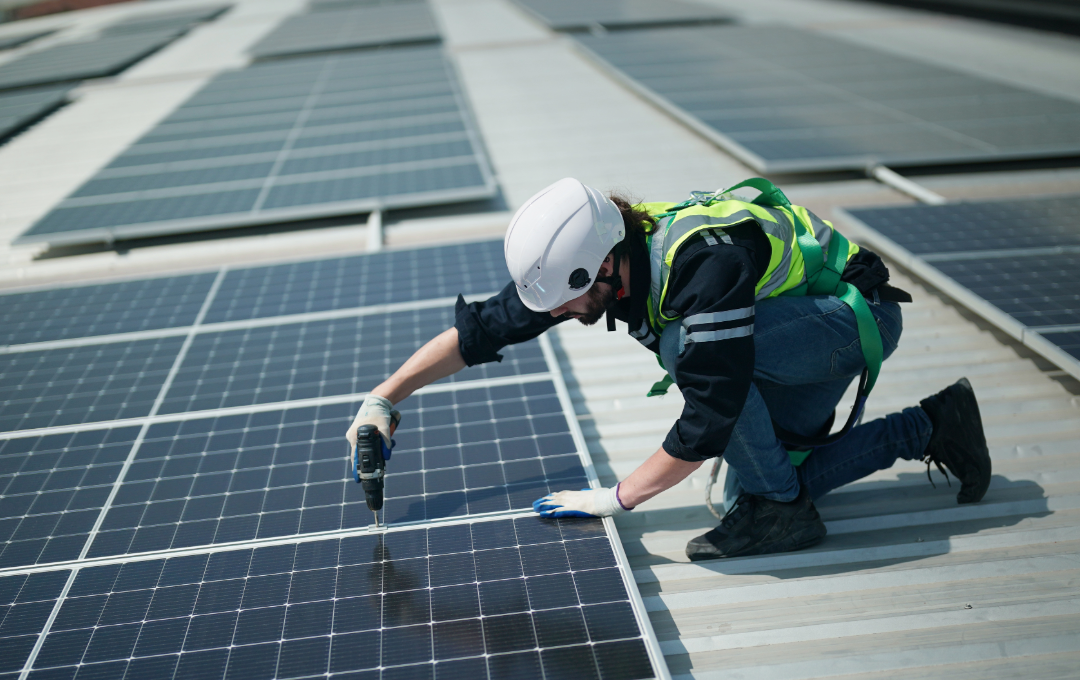
Energy Secretary Ed Miliband, along with a newly reactivated Solar Taskforce, is spearheading a major push to get more solar panels on homes and businesses by 2030. This is all part of a wider strategy to build the UK’s energy independence, reduce reliance on fossil fuels, and protect consumer bills from volatile energy markets.
So, what does this all mean for your business?
Solar power: a growing opportunity
Solar is one of the cheaper and more accessible forms of renewable energy. If there is an increase in focus on solar panels, then it could be worth considering whether solar energy could benefit your business.
Beyond the environmental impact (cutting carbon emissions is always a plus), businesses that invest in solar could see long-term financial benefits. With energy costs still a major concern, generating your own electricity could offer significant savings and protect you from future price hikes.
The Solar Taskforce: What’s the plan?
The government’s reactivated Solar Taskforce, which met for the first time on 2 October, is looking to tackle the key challenges they feel are holding the sector back.
The first meeting focused on how to develop ethical, resilient and innovative supply chains and ensuring that a skilled and properly resourced workforce is in place to scale up solar installations.
What can businesses do now?
Whether you own your premises or rent, there may be ways to benefit from this renewable energy push. For instance, solar panel installations on warehouses and office buildings or even smaller rooftop setups could help reduce your energy costs and carbon footprint.
For these kind of investment decisions, a cost benefit analysis can be a simple way to weigh the advantages or benefits of the decision against the costs involved to see whether it’s financially worthwhile.
Here’s how it works in a nutshell:
1. List the costs: These could include upfront expenses, ongoing maintenance, time, or any other resources you’ll need to commit. For example, if you're considering installing solar panels, the costs would include the price of the panels, installation, and any maintenance fees.
2. List the benefits: Benefits can be financial (such as savings on energy bills or government incentives) and non-financial (like reducing your carbon footprint or boosting your business's green credentials).
3. Quantify the costs and benefits: Where possible, you assign a monetary value to both the costs and benefits. If the total benefits outweigh the costs, it suggests it could be a good decision. If the costs are higher, you might reconsider or perhaps look for ways to reduce them.
A cost-benefit analysis might help you decide whether the upfront costs will be outweighed by the long-term savings on your energy bills, any tax incentives, and the potential for increasing the value of your property.
If you need any help putting together a cost benefit analysis, please feel free to contact us at any time and we would be pleased to help you.
See: https://www.gov.uk/government/news/solar-taskforce-meets-in-drive-for-clean-power|

UK businesses are increasingly worried about rising operating costs, with concern over both energy and fuel prices reaching their highest levels since the Office for National Statistics (ONS) began tracking them.

Small UK companies are being asked to develop security ideas and products for Britain’s transport sector with an unusually tight deadline. As the geopolitical situation becomes increasingly dangerous, with sabotage to the UK’s physical and cyber infrastructure by countries such as Russia and Iran increasing daily, new security projects are topping the government’s ‘hopeful’ list.
Second Floor
123 Promenade
Cheltenham
GL50 1NW
.png)
.png)